Home › Selective and Partial Commercial Demolition
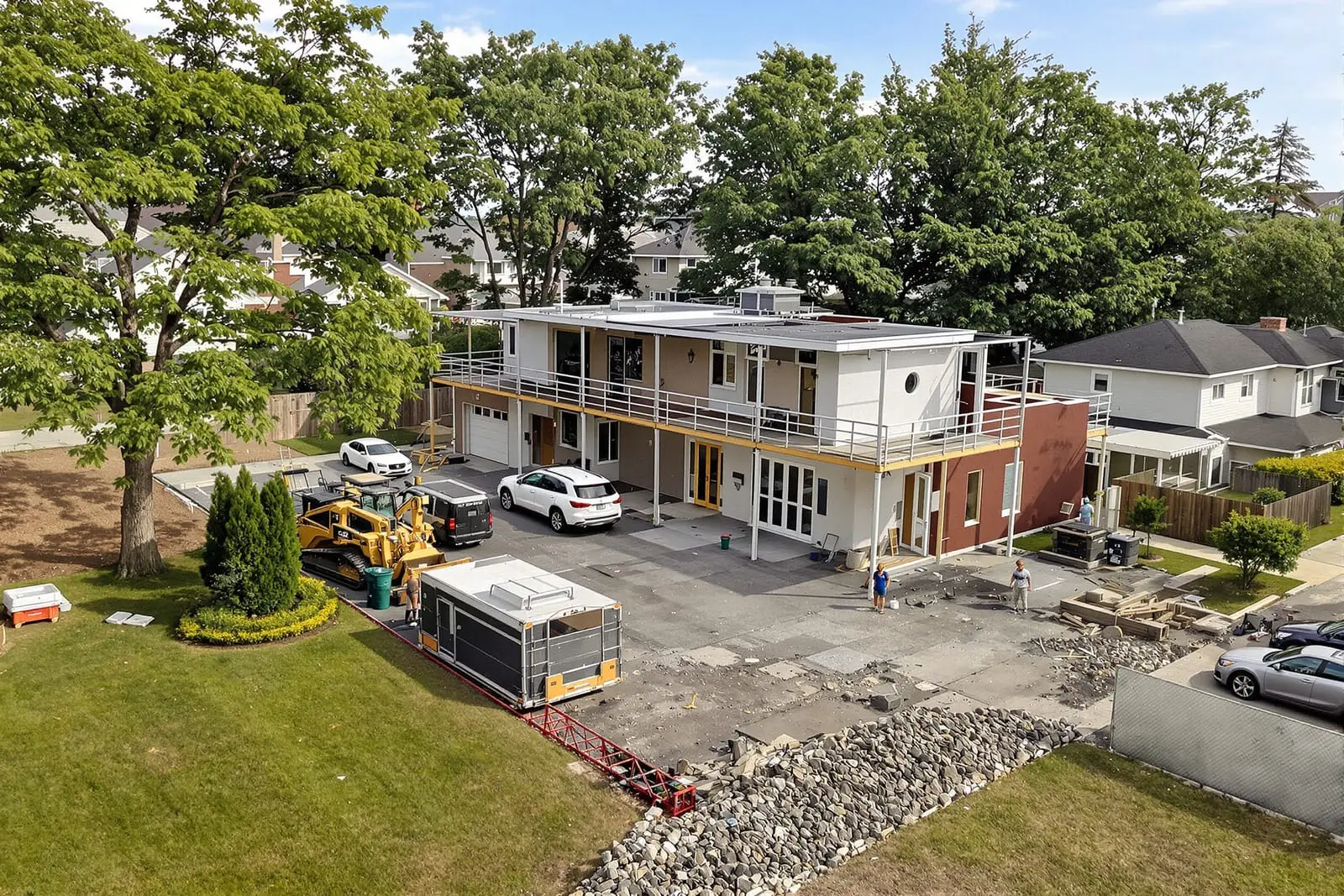
Our selective commercial demolition in Los Angeles, CA removes targeted building areas while protecting occupied zones or critical systems. We isolate sections, control dust and noise, and coordinate work during off hours when needed. This approach keeps your business operating while you upgrade or expand.
Wrexo Demolition Los Angeles provides professional selective commercial demolition throughout Los Angeles, CA and the surrounding area. Our licensed, insured crew delivers safe, clean, on-time work with a free estimate before anything begins. Call (213) 319-5265 or request your free quote.
Selective Commercial Demolition in Los Angeles That Fits Your Building, Not a Template
Selective and partial commercial demolition is controlled removal of specific interior or structural elements while keeping the rest of the building active and intact. Wrexo Demolition Los Angeles focuses on this type of work for offices, retail, restaurants, industrial units, and mixed‑use spaces across Los Angeles.
On a typical project, we start with a detailed walk‑through with the building owner, tenant, or GC. We identify exactly what must go, what must stay, and what must be protected. That might mean keeping structural columns, shear walls, rated corridors, stairwells, elevator lobbies, or historic storefronts while gutting interiors behind them.
In Los Angeles, many commercial buildings are older, layered with previous build‑outs, and subject to strict fire and seismic requirements. Our team checks for older construction methods, non‑standard framing, and prior unpermitted modifications before any wall is opened up. This reduces surprises in the middle of demolition and protects you from costly change orders downstream.
Wrexo Demolition Los Angeles treats selective commercial demolition as a precision trade, not just ripping out material. We combine drawings and field verification with test cuts and small exploratory openings so we know exactly what is inside a wall or ceiling before we remove it.
How We Plan a Partial Demolition in an Occupied Los Angeles Building
Planning is the difference between a clean, on‑schedule selective demolition and one that disrupts tenants or triggers city issues. Our process begins with existing plans, your new layout, and site access constraints such as alley loading, street parking rules, and neighboring businesses.
We verify utilities and life safety systems first. That includes locating live electrical, active fire sprinkler lines, fire alarm devices, gas lines, and main domestic or fire water. In Los Angeles, many buildings have been modified repeatedly, so markings on old drawings are not always accurate. Our crew uses non‑contact voltage testers, tracing equipment, and test openings to confirm what is live.
Next we create a phased demo plan. For example, in a multi‑tenant office building on Wilshire, we might remove interiors one bay at a time so shared corridors, restrooms, and exits remain usable. In a restaurant conversion on Ventura, we might demo bar and dining areas first and leave the kitchen and restrooms for a later phase to keep partial operations going.
We coordinate with your GC, architect, and building management on hours, noise windows, freight elevator schedules, protection for lobbies and common paths of travel, and staging areas for debris bins or compactors. Wrexo Demolition Los Angeles also helps you anticipate permits and inspection touchpoints so the demolition scope lines up with what LADBS and Fire will expect on your project.
What Actually Gets Removed in Selective Commercial Demolition
Selective commercial demolition can be as light or as aggressive as your project requires. Interior non‑structural removal typically includes partitions, ceilings, finishes, casework, and MEP devices that are no longer needed.
Common interior items we remove are gypsum board partitions, demising walls that are not structural, tenant build‑out framing, acoustic ceiling tiles and grid, FRP and tile at kitchens, restroom partitions, storefront bulkheads, old built‑ins, reception desks, and millwork. For retail and restaurant spaces in Los Angeles, we often strip back to a warm shell that keeps core services in place but eliminates branded finishes.
On the mechanical and electrical side, we remove abandoned ductwork, low voltage cabling, lighting fixtures, drops, old panels that have been disconnected by a licensed electrician, and obsolete plumbing branches. When selective demolition requires capping or rerouting utilities, Wrexo Demolition Los Angeles brings in or coordinates with licensed trade partners so the work complies with local code and inspection requirements.
Where the scope includes partial structural removal, such as taking out a section of mezzanine, cutting new openings, or removing a non‑required stair, we work strictly off engineered drawings and stamped shoring plans. We sequence cuts and removals so that load paths remain stable at every step and existing tenants above or adjacent experience no structural risk.
Control, Containment, and Safety in Tight Los Angeles Commercial Spaces
Most selective commercial demolition in Los Angeles takes place in tight urban conditions with shared walls, overhead neighbors, and limited loading zones. That makes control and containment critical.
Before any removal, Wrexo Demolition Los Angeles installs protection on floors, elevator cabs, lobby finishes, and any elements that must remain. We use temporary plywood, Ram Board, plastic sheeting, and framing to isolate our work area from active spaces, especially in medical offices, creative studios, and operating retail.
Dust control often uses a combination of negative air machines with HEPA filters, zipper walls, and point‑of‑generation vacuum attachments on cutting tools. For sensitive environments like clinics or data spaces, we create hard barriers and keep areas under negative pressure so dust does not migrate into clean zones.
Noise control involves scheduling heavy breaking or saw cutting during approved hours and using lower‑impact tools when feasible. In mixed‑use buildings with residential units above, we coordinate with property management for notification schedules so occupants know when louder operations will occur.
Safety protocols include daily tailgate meetings, lockout/tagout procedures for utilities, fall protection around floor openings or mezzanine edges, and strict material handling paths so debris never crosses publicly accessible routes. In high‑traffic parts of Los Angeles, such as Downtown or Hollywood, we follow street use rules for roll‑off placement and loading so your project avoids citations and delays.
Cost Factors and Scheduling for Partial Commercial Demo in Los Angeles
The cost of selective commercial demolition depends more on complexity than on simple square footage. Wrexo Demolition Los Angeles walks clients through the main cost drivers so you know exactly what is influencing your number.
Key factors include how much of the existing construction is unknown or concealed, the level of protection and phasing needed to keep other tenants open, the number of utility disconnects and caps, and whether structural components must be cut or temporarily shored. A clean, open warehouse interior is faster and less expensive to strip than a maze of offices with multiple ceilings and previous remodels.
Asbestos and lead are major variables in Los Angeles, especially in mid‑century office buildings and older retail strips. If we see suspect materials like old floor tile and mastic, sprayed acoustic ceilings, or pipe insulation, we recommend testing before pricing full removal. If abatement is needed, it must be handled by licensed abatement contractors, and that schedule affects when we can start our portion of the work.
Access also affects price and schedule. Limited freight elevator hours, no on‑site dumpsters, or hand‑carry only conditions increase labor. In dense areas like Koreatown or Downtown, staging may be restricted to certain times of day because of traffic and loading rules.
We provide line‑item estimates that separate interior soft demo, selective structural removal, protection, disposal, and any specialty work. That transparency helps you compare options, adjust scope if needed, and align our selective commercial demolition work with your overall construction budget.
What Los Angeles Property Owners Should Confirm Before Hiring a Demo Contractor
Selective commercial demolition touches structural systems, life safety, and neighboring occupants, so choosing the right contractor matters more than on a simple clean‑out. There are several things Los Angeles owners and tenants should verify before signing a contract.
First, confirm the contractor is licensed and properly insured for commercial demolition work in California. Ask for experience specifically with occupied buildings and partial removal instead of just full tear‑downs. Wrexo Demolition Los Angeles can provide project examples from local offices, retail centers, and restaurant conversions where we worked around active tenants and tight deadlines.
Second, review how the contractor will coordinate with LADBS, Fire, and building management. Even if your scope seems minor, cutting rated walls, relocating exits, or touching fire sprinklers can trigger permit and inspection requirements. We help you understand which elements of the demolition scope typically require sign‑off so nothing slows the follow‑on trades.
Third, ask for a written plan for protection, debris handling, and communication. That plan should cover dust control, noise scheduling, after‑hours work if needed, and how materials will be moved in and out of the building without disrupting other tenants or violating property rules.
Finally, discuss contingency handling. On selective demolition jobs in older Los Angeles buildings, it is common to uncover hidden conditions like unpermitted framing, live junction boxes in walls, or unexpected structural members. Wrexo Demolition Los Angeles addresses these finds through documented site conditions, quick field coordination with your design team, and clear change process so you always know what is happening and why.
“
Professional selective and partial commercial demolition, done right the first time, quality materials, honest pricing, and results that last.
Wrexo Demolition Los Angeles
Selective and Partial Commercial Demolition Across Our Service Area