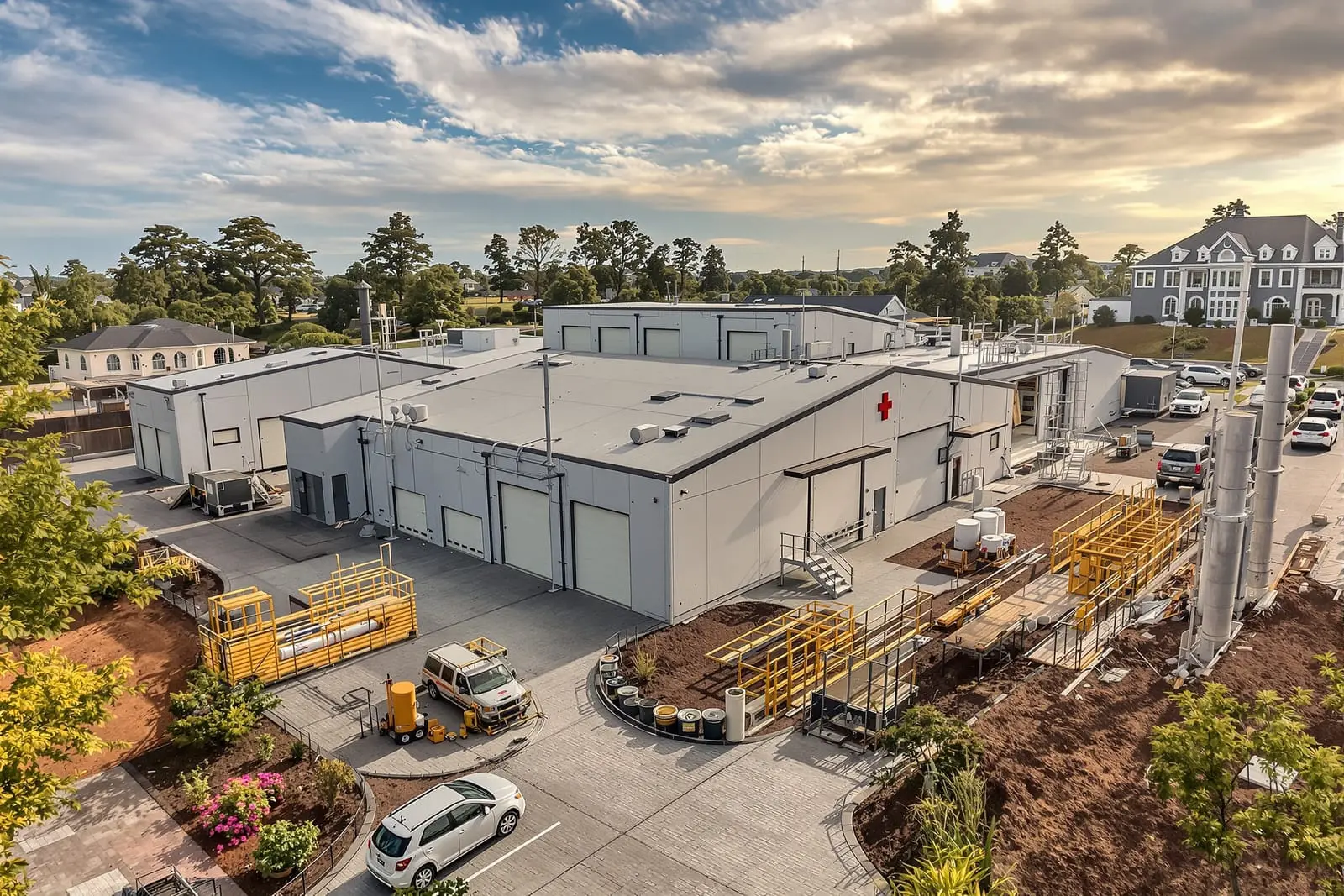
We manage plant decommissioning in Los Angeles, CA for manufacturing, power, and process facilities. Services include equipment removal, piping and utility isolation, hazardous material handling, and structural demolition. Our turnkey approach delivers a safe, compliant closure with maximum asset recovery.
Wrexo Demolition Los Angeles provides professional plant decommissioning throughout Los Angeles, CA and the surrounding area. Our licensed, insured crew delivers safe, clean, on-time work with a free estimate before anything begins. Call (213) 319-5265 or request your free quote.
Plant Decommissioning in Los Angeles: How Wrexo Actually Handles It
Plant decommissioning is not just “taking stuff apart.” When Wrexo Demolition Los Angeles decommissions a facility in Los Angeles, we treat it as a tightly sequenced project with safety, regulations, and resale or reuse value in mind.
We start with a detailed site assessment. A project manager walks the plant with you, reviews existing drawings if you have them, and notes active utilities, structural elements, hazardous materials, and sensitive equipment. Many LA facilities have been expanded over decades, so as-built conditions often differ from the original plans. We verify which lines are still active, where structural cuts can be made without compromising remaining operations, and what needs environmental testing.
Next comes regulatory review. In Los Angeles County and the City of Los Angeles, plant decommissioning typically involves multiple agencies: LADBS for demolition permits, AQMD for air quality and any asbestos or lead issues, Cal/OSHA requirements for worker safety, and possibly LA County Fire for fuel systems and chemical storage. Wrexo Demolition Los Angeles coordinates with your environmental consultant or brings in trusted partners so your decommissioning plan aligns with local rules before any dismantling begins.
We then develop a written decommissioning plan that sets the order of work: utility isolation, hazardous material abatement, equipment de-energizing, dismantling of process lines, structural removals, and final site clean-up. This plan also includes traffic control and trucking routes that avoid sensitive LA streets and hours, which is critical if your plant is near residential areas or busy corridors like the 110, 710, or 5.
Step-by-Step: From Utility Isolation to Final Clean Concrete
A safe plant decommissioning always starts with utilities. Wrexo Demolition Los Angeles verifies and coordinates shut-offs with LADWP, SoCal Gas, telecom, and any private process utilities. Our crew physically traces electrical conduits and piping, locks and tags disconnects, and tests equipment to confirm it is de-energized. Compressed air, steam, and hydraulic systems are bled down and depressurized so lines can be cut without surprise releases.
Once utilities are safe, we handle hazardous or regulated materials. This can include asbestos insulation on old boilers or piping, lead-based paint, PCB-containing electrical equipment, refrigerants from chillers, and residual chemicals in tanks or process lines. We work with licensed abatement and environmental firms to remove, sample, and dispose of these materials at approved facilities in Southern California, with full documentation for your records and any future property transaction.
After the site is environmentally safe, dismantling begins. Equipment with resale value, such as stainless process tanks, certain production lines, or high-value electrical gear, is removed first and handled carefully to preserve value. We use a mix of manual disassembly and mechanical means like cranes, forklifts, and high-reach machines, depending on access and ceiling height. In crowded LA plants, there is often limited room for large equipment, so we plan rigging and pick paths that do not disrupt neighboring tenants or ongoing operations.
Structural demolition comes last. This can include taking down mezzanines, platforms, interior CMU walls, loading docks, or the entire building shell if required. We sequence concrete cutting, saw-cut slabs around underground utilities, and use appropriate methods such as slab breaking, selective saw cutting, or coring to avoid damaging shared infrastructure that may serve neighboring suites in a multi-tenant industrial park.
What Affects Cost and Timeline for Plant Decommissioning in Los Angeles
Pricing for plant decommissioning in Los Angeles depends on a few main factors. The first is the size and complexity of your facility. A small light manufacturing shop in Vernon with simple utilities and minimal equipment will be far less costly than a multi-building chemical processing plant in the Harbor area with tanks, pipe racks, and extensive environmental requirements.
Hazardous materials are a major cost driver. If testing reveals asbestos, lead, contaminated soils, or residual chemicals in tanks and lines, those must be removed or remediated under strict rules. This adds labor, requires specialized subcontractors, and generates disposal fees at regulated landfills. Wrexo Demolition Los Angeles helps you budget for these steps by identifying potential hotspots early, so you are not surprised mid-project.
Access and logistics also impact price and schedule. In dense parts of Los Angeles, it can be hard to stage equipment or bring in large trucks. Narrow alleys, low power lines, or weight-restricted bridges can limit the size of machinery we can use. That might mean more manual dismantling, more shifts, or night and weekend work to avoid traffic and noise conflicts. Each of those affects both cost and the calendar.
Another factor is your end goal for the property. Some owners simply need a safe, clean shell for a new tenant. Others must meet strict standards for a sale, financing, or an industrial-to-residential conversion. The level of slab repair, underground utility removal, backfilling, and documentation for lenders or agencies will change the scope and price. We walk you through scenarios so you can decide how far to take the decommissioning given your future plans.
Common Problems in Plant Dismantling and How Wrexo Solves Them
Older plants in Los Angeles often come with surprises. It is common to find undocumented additions, abandoned lines hidden behind walls, or equipment tied into neighboring units. One frequent issue is shared utilities in older industrial parks, where a main electrical service or fire line runs through multiple tenants. Wrexo Demolition Los Angeles works with property managers and utility providers to map these shared systems before we cut anything, so we do not accidentally shut down a neighbor.
Another challenge is unknown or mislabeled materials. A tank might be tagged as “water” but still contain sludge or residues. Piping may look like compressed air but actually carry process gas. To avoid incidents, we default to a cautious approach: sample unknown materials, use non-sparking tools where flammables might be present, and ventilate enclosed spaces before entry. This extra verification prevents spills, releases, or unsafe atmospheres.
Noise and dust control is critical in LA, especially near residential neighborhoods, schools, or offices. We schedule high-noise activities like concrete breaking during allowable city hours, use water spray to keep dust down, and deploy negative air machines or localized containment if dismantling inside food or pharmaceutical plants. Our experience with LA air quality and noise ordinances helps keep you off the radar of complaints and enforcement actions.
Traffic and parking are another recurring problem. Trucks hauling scrap and debris must navigate tight streets and often limited on-site loading space. Wrexo sets up clear traffic plans, designated truck routes, and load-out schedules that avoid school drop-off times and rush hour when possible. For downtown or tightly packed industrial areas, we may use smaller roll-off bins rotated more frequently to fit limited space rather than a few very large containers.
Why Local Experience Matters for LA Plant Decommissioning
Plant decommissioning touches a lot of local agencies, utilities, and neighborhood realities that are specific to Los Angeles. Wrexo Demolition Los Angeles has worked with LADBS, AQMD inspectors, and local fire marshals on a wide range of industrial and commercial projects, so we understand what they expect in terms of dust control, waste tracking, and site safety. This familiarity reduces permit delays and inspection surprises that can put your project on hold.
Local knowledge is also vital when choosing disposal and recycling options. Scrap metal from your plant can go to regional recyclers that pay better rates, which helps offset project costs. Concrete, brick, and asphalt can often be sent to local recycling yards instead of landfills, which is both more sustainable and often cheaper. We separate metals by type, recover reusable equipment when possible, and work with certified facilities so you can show stakeholders that materials were handled responsibly.
Finally, LA is full of operational neighbors, from food warehouses in Commerce to creative offices in converted industrial buildings. Keeping good relationships with those neighbors during a plant decommissioning is in your best interest. We help by posting clear signage, maintaining safe fence lines, and coordinating noisy work so it has the least impact on neighboring tenants. Our crews are used to working around active businesses, which reduces complaints and helps you exit the property on good terms.
If you are planning plant decommissioning anywhere in Los Angeles County, from the Valley to the Port, Wrexo Demolition Los Angeles can walk the site with you, outline a realistic scope, and give you a clear picture of cost, schedule, and regulatory requirements before you commit to a timeline.
“
Professional plant decommissioning and dismantling, done right the first time, quality materials, honest pricing, and results that last.
Wrexo Demolition Los Angeles
Plant Decommissioning and Dismantling Across Our Service Area