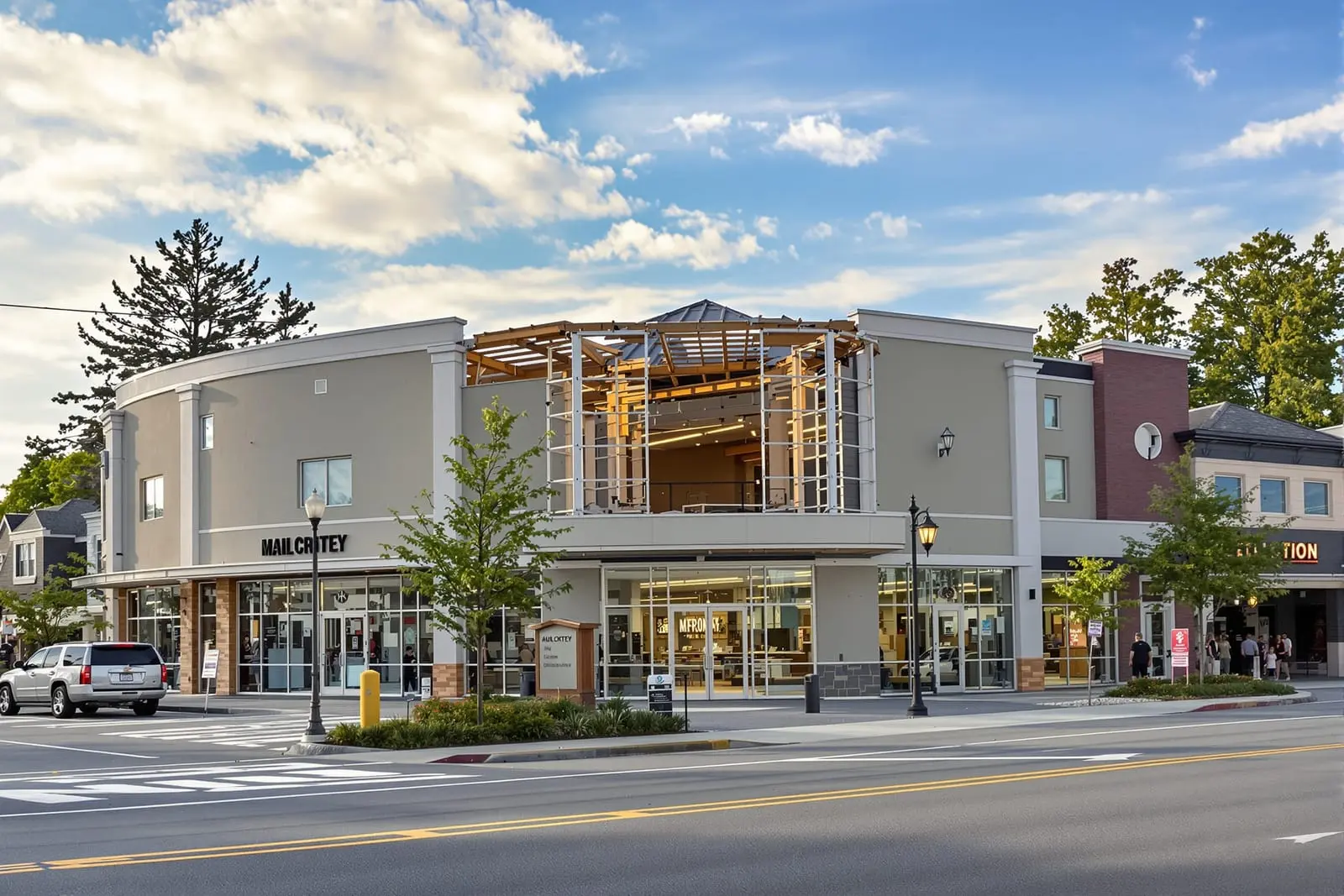
We provide retail demolition in Los Angeles, CA for stores, inline mall units, and restaurants. Our crews handle interior strip outs, kitchen removals, and selective facade demolition. Work is completed cleanly and on schedule so landlords and tenants can move quickly into their next phase.
Wrexo Demolition Los Angeles provides professional retail demolition throughout Los Angeles, CA and the surrounding area. Our licensed, insured crew delivers safe, clean, on-time work with a free estimate before anything begins. Call (213) 319-5265 or request your free quote.
Mall, Retail and Restaurant Demolition in Los Angeles
Wrexo Demolition Los Angeles provides carefully planned retail demolition for malls, street-front stores, and restaurant spaces throughout Los Angeles. Our focus is simple: clear your space quickly and safely so you can start the next build without surprises, delays, or costly change orders.
Retail and restaurant interiors in Los Angeles are rarely “standard.” You might have older block walls in the back of house, a mix of steel studs and glass at the storefront, walk-in coolers, grease ducts, or custom millwork that ties into neighboring units. Our team starts by walking the space with you, identifying what must go and what must stay, including common items like shared demising walls, sprinkler lines, rooftop equipment, and main electrical panels that serve several tenants.
From small café interiors on busy corners to multi-level mall units with escalators and mezzanines, we tailor the demolition method to your building, your landlord requirements, and your schedule. We are used to working in active shopping centers and mixed-use buildings across Los Angeles, so we know how to limit noise, dust, and disruption to your neighbors while still keeping your project on track.
How the Retail Demolition Process Works
Every retail demolition with Wrexo Demolition Los Angeles follows a clear, step-by-step process so you always know what is happening next.
1. Site visit and scope definition. We meet you on site, review your lease requirements, landlord work letter, and any base-building drawings you have. We mark what needs to be removed (fixtures, walls, ceilings, floors, kitchen equipment) and what needs protection (storefront glass, sprinklers, main utilities, shared bathrooms).
2. Utility verification and safe shutoff. Before any walls or ceilings come down, we verify gas, electrical, and water locations. In restaurants, we confirm gas capping locations, grease lines, and hood exhaust. For mall units, we coordinate with the center’s facility team so shared risers, fire alarms, and roof units remain active for neighboring tenants.
3. Protection and containment. We install temporary barriers at entries, protect elevators and corridors, and set up dust control where required. In active malls, we often schedule debris removal during off-hours and use quieter tools during peak shopping times.
4. Interior strip out. This includes removal of non-load-bearing walls, ceilings, lighting, ductwork, flooring, service counters, bars, booths, kitchen equipment, walk-in boxes, and non-structural mezzanines where permitted. Material is separated on site for metal recycling, dumpster loading, and hazardous waste handling when needed.
5. Targeted structural work. If beams, slabs, or structural openings are part of your remodel, we coordinate with your engineer and building management, use saw-cutting and coring methods, and complete any shoring or bracing required.
6. Final clean and readiness for build-back. We broom-clean the space, remove temporary protection, and leave surfaces in the condition specified by your lease or your general contractor so construction can begin without rework.
What Drives the Cost of Retail Demolition in Los Angeles
Retail demolition pricing in Los Angeles varies widely because each building and tenant space has its own mix of materials, access constraints, and rules. Wrexo Demolition Los Angeles gives detailed, line-item estimates so you can see exactly what influences cost.
Key cost drivers include:
• Site access and debris removal. Street-front shops with alley access are usually less expensive than upper-level mall units or downtown high-rises where debris must be moved through freight elevators and loading docks with time limits.
• Material types and thickness. Thin drywall partitions cost less to remove than concrete block or double-layer fire-rated assemblies. Commercial kitchens with heavy tile, thick mortar beds, and concrete-filled curbs take longer than standard retail carpet or vinyl.
• Specialized systems. Restaurants with Type I hoods, long grease ducts, fire wrap, and rooftop fans require more coordination and labor to remove. Walk-in coolers, refrigeration lines, and old R22 systems may require certified handling and specific disposal routes.
• Hazardous or regulated materials. Older Los Angeles buildings sometimes contain asbestos in floor mastic, ceiling textures, or pipe insulation, and lead in paint or waterproofing. When testing reveals these materials, we coordinate licensed abatement and adjust scope and schedule accordingly instead of guessing and risking violations.
• Time constraints. Night-only work, strict noise windows, or tight move-out deadlines can require additional crews or phased operations, which affects cost.
We work with your budget by identifying optional items, suggesting alternate demolition methods, and timing work to reduce overtime and building surcharges where possible.
Mall, Shopping Center, and Food Court Demolition
Mall and shopping center environments have their own rules, from security access to fire watch requirements. Wrexo Demolition Los Angeles routinely works in regional malls, open-air lifestyle centers, and ground-floor retail in mixed-use projects across Los Angeles County.
Before work begins, we review the mall contractor handbook and coordinate with property management on working hours, material staging areas, elevator usage, and any required insurance or permits. We are familiar with typical landlord standards such as returning spaces to “cold dark shell” or “vanilla shell,” which might involve capping utilities at specific points, removing back-of-house partitions, or leaving certain infrastructure intact.
In food courts and multi-tenant restaurant clusters, shared utilities are common. We confirm which exhaust shafts, grease interceptors, and sprinkler branches serve your space versus your neighbors, then plan removals so other tenants stay online. When slab trenches are needed for new plumbing or drain reconfiguration, we handle concrete saw-cutting, trench excavation, and clean patch-back so your build-out contractor can install new lines.
Scheduling is often sensitive in malls, especially during the holiday season and major sale weekends. Where possible, larger and noisier demolition activities are scheduled prior to November or during early morning windows set by property management. For projects that must happen during busy months, we rely on more hand work, additional dust control, and phased debris hauling to keep shoppers and existing tenants safe and comfortable.
Restaurant and Commercial Kitchen Strip Outs
Restaurant demolition involves systems that are rarely found in standard retail, which is why you want a crew that has already dealt with real kitchen conditions in Los Angeles. Wrexo Demolition Los Angeles understands health department concerns, landlord standards, and the technical side of removing heavy cooking equipment and wet areas.
A typical restaurant strip out includes disconnecting and removing cook lines, fryers, dishwash stations, built-in bars, booths, serving counters, walk-in coolers and freezers, exhaust hoods, grease ducts, and related make-up air units. We coordinate with licensed trades to cap gas lines, safe-off electrical circuits, and reroute or cap water and waste lines based on your final design or lease requirements.
Grease management is a major issue in Los Angeles. We locate in-slab or exterior grease interceptors, verify connection points, and remove or cap internal grease lines if required by the landlord. For hood and duct systems, we typically work top-down, starting at roof fans or shaft terminations, moving downward to the hood in order to avoid damaging shared shafts or roof membranes.
Floor systems in restaurants are often sloped, waterproofed, and finished with quarry tile or epoxy. Removing these surfaces often involves chipping hammers and concrete grinding to deliver a substrate that your flooring installer can work with. We communicate ahead of time whether the slab is expected to be exposed concrete, patched only, or fully leveled so there are no surprises when the build-back team arrives.
Throughout the process we manage odor, moisture, and sanitation concerns, particularly in spaces that have been vacant for a while. This may involves removing spoiled contents, deep cleaning under old equipment lines, and airing out spaces so your new concept does not start with lingering smells from the previous operation.
Planning, Permits, and Timing Your Demolition
A smooth retail demolition starts with realistic planning around permits, inspections, and building access. Wrexo Demolition Los Angeles assists with this front-end work so you are not trying to solve problems after your move-out date is already set.
In most Los Angeles jurisdictions, interior non-structural demolition still requires a demolition or interior alteration permit, and any change that affects fire-rated walls, exits, or structural elements must be detailed in drawings. We help you understand what your city or county will expect, coordinate with your architect or engineer if needed, and schedule work to align with plan check and approval timelines.
Before demolition, we often recommend asbestos and lead testing for spaces built before the late 1980s or where previous work is undocumented. This testing is relatively quick and helps avoid costly last-minute stops ordered by building inspectors or air quality officials if suspect materials are uncovered mid-project.
As for timing, Los Angeles has its own rhythms. Many retail owners prefer to schedule demolition in late winter or early spring, when construction crews are widely available and mall traffic is lighter outside of major holidays. For restaurants, planning demolition immediately after a planned closure, sale, or lease turnover helps reduce rent overlap and keeps your new concept on schedule for opening.
Throughout the project, you have a single point of contact at Wrexo Demolition Los Angeles who provides schedule updates, coordinates with building management, and documents progress with photos. At completion, we walk the space with you or your contractor to confirm that all demo work matches scope, landlord requirements, and the needs of your next build.
“
Professional mall, retail and restaurant demolition, done right the first time, quality materials, honest pricing, and results that last.
Wrexo Demolition Los Angeles
Mall, Retail and Restaurant Demolition Across Our Service Area